Why You Crash After Lunch (And What Actually Helps)

The gist
- A post-lunch dip is a documented circadian feature, not a personal failing.
- Meal composition amplifies or dampens it — heavy refined carbohydrate makes it worse.
- Caffeine's half-life means an afternoon coffee is still active at bedtime.
- Persistent, severe daytime sleepiness warrants a medical conversation, not a workaround.
The dip is normal
Somewhere between one and four in the afternoon, most people experience a measurable drop in alertness. Concentration slips. The same task takes longer. If you are sitting still in a warm room, staying awake takes conscious effort.
Men in their forties and fifties frequently interpret this as a sign of decline. It is worth knowing that the dip is a documented feature of human circadian biology, observed across cultures, age groups and eating patterns.
Which does not mean nothing can be done. It means the starting point is understanding a normal rhythm rather than diagnosing a fault.
Your body clock is doing this on purpose
Your circadian system does not run a single smooth curve from morning alertness to evening tiredness. It has a secondary trough in the early afternoon — a smaller version of the drive toward sleep that peaks at night.
Sleep researchers call this the post-lunch dip, and the name is slightly misleading, because it occurs in people who skip lunch entirely. The timing is driven by the clock, not the meal.
This is also why the siesta appears independently in so many cultures. It is not indulgence; it is a reasonable accommodation of a real biological rhythm.
What lunch has to do with it
If the dip happens regardless of eating, why does lunch feel so implicated? Because meal composition changes how pronounced it is.
A lunch heavy in refined carbohydrate — white bread, pasta, pastry, sugary drinks — produces a rapid rise in blood glucose followed by a sharper fall. That fall lands on top of the circadian trough, and the two together produce the flattening most men recognise.
A lunch with adequate protein, fibre and some fat produces a slower, flatter glucose curve. The dip still happens, but without the additional drop stacked on top.
Portion size matters too. A genuinely large meal diverts more resources to digestion and tends to deepen the effect. This is one of the more reliably actionable items on the list: the same food in a smaller portion, or split across lunch and an afternoon snack, often produces a noticeably different afternoon.
The caffeine trap
The instinctive response is coffee. It works, briefly, and it creates the conditions for tomorrow's dip.
Caffeine has a half-life of roughly five to six hours in most adults, and longer in some. A coffee at three in the afternoon means a meaningful proportion is still circulating at nine in the evening. It may not stop you falling asleep, but it can measurably reduce deep sleep — the stage that determines how restored you feel the next day.
Which produces the loop: afternoon coffee, poorer sleep, worse afternoon, more coffee. Many men have been running this cycle for years without recognising it.
Breaking it is uncomfortable for about a week. Set a cutoff — early afternoon is a reasonable starting point — and accept that the first several days will feel worse before the sleep improvement arrives.
Sleep debt amplifies everything
The circadian dip is modest in someone who is well rested. In someone carrying accumulated sleep debt, it becomes the point in the day when that debt presents its bill.
This is the single largest variable, and it is the one most men underestimate. If you are consistently getting six hours on weeknights, the afternoon crash is not a mystery requiring a nutritional solution. It is arithmetic.
Worth flagging specifically: if you snore heavily, wake unrefreshed after a full night, or a partner has noticed you stop breathing during sleep, ask a doctor about sleep apnea. It is common in men over 45, substantially underdiagnosed, and it produces exactly this pattern of daytime sleepiness. Treating it changes energy more than any dietary intervention.
What actually helps
In rough order of impact.
Fix the sleep first. Nothing on this list compensates for chronic short sleep. A consistent wake time does more than a consistent bedtime.
Change the lunch, not the portion of your day. Add protein and fibre, reduce refined carbohydrate, and consider whether the portion is larger than the afternoon can accommodate.
Get outside briefly after eating. Ten minutes of daylight and walking does two useful things at once — light reinforces circadian signalling, and gentle movement supports glucose handling after a meal. This is a small habit with a noticeably better return than it looks.
Move the caffeine earlier. Not necessarily less, just earlier.
Check hydration. Mild dehydration reduces alertness and is easy to miss in an office day.
Then consider nutritional support. Vitamin B3 and L-carnitine are the nutrients most associated with normal energy metabolism, and both appear in HoneyFil's disclosed formula. That is a supporting role at the margins — it does not substitute for the four items above, and any product implying otherwise is overselling.
When it isn't just an afternoon dip
Some daytime tiredness is normal biology. Some is not, and the distinction matters.
Speak with a healthcare professional if you fall asleep unintentionally during the day, if fatigue is severe enough to interfere with driving or work, if it has worsened noticeably without an obvious cause, or if it comes with other changes — unexplained weight change, persistent thirst, low mood or breathlessness.
Sleep apnea, thyroid conditions, anaemia, diabetes and medication side effects all present this way, and all are far better addressed by a diagnosis than by a routine adjustment. Getting it checked is the higher-value move, and often a reassuring one.
For a broader look at building energy habits that hold up, our product assessment and the guide to evaluating whether anything is working are both worth a read. Or start with the HoneyFil overview if you want the product context first.
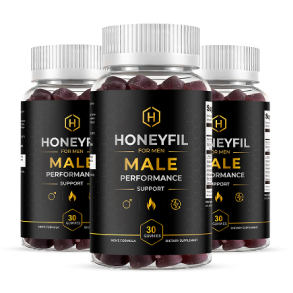
Nutritional support, once a day
HoneyFil combines eight disclosed ingredients into a single daily gummy, formulated to support energy, healthy circulation, stamina and endurance. One-time purchase, no auto-renewal, 60-Day Satisfaction Promise.
Individual results vary.
Try HoneyFil →Common questions
Why do I get tired after lunch even when I eat lightly?
The post-lunch dip is driven primarily by circadian rhythm rather than the meal itself. It occurs even in people who skip lunch, though meal composition can make it more pronounced.
What should I eat for lunch to avoid crashing?
A meal with adequate protein, fibre and some fat produces a flatter blood glucose curve than one heavy in refined carbohydrate. Portion size also matters.
When should I stop drinking coffee?
Caffeine has a half-life of roughly five to six hours. An early-afternoon cutoff is a reasonable starting point if your sleep quality is a concern.
When is afternoon tiredness a medical issue?
If you fall asleep unintentionally during the day, if fatigue interferes with driving or work, or if it has worsened without explanation, speak with a healthcare professional.
Before you start
HoneyFil is a dietary supplement intended to complement a healthy lifestyle. It is not a prescription product, and it is not intended to treat erectile dysfunction or any other medical condition.
It is not for anyone under 18, and not intended for women or anyone pregnant or breastfeeding. Speak with a healthcare professional first if you take prescription medication — particularly blood-pressure medication, nitrates, blood thinners or diabetes medication — manage a medical condition, or are preparing for a procedure.
If you have persistent concerns about sexual function, energy or circulation, raise them with a qualified healthcare professional rather than relying on a supplement.
These statements have not been evaluated by the Food and Drug Administration. This product is not intended to diagnose, treat, cure, or prevent any disease.
Back to the Honey-Fill homepage, or take a look at what goes into the formula and our honest verdict on it.