Zinc and Men's Nutrition: What It Does and Why Forms Differ
The gist
- Zinc is an essential trace mineral required by hundreds of enzymes.
- Plant sources contain phytates that reduce absorption — relevant for lower-meat diets.
- Chelated forms are generally better absorbed than oxide.
- High long-term intakes can interfere with copper status; total your intake across all products.
Why zinc counts as essential
Nutrition uses "essential" precisely: it means the body cannot manufacture the substance, so every bit you hold arrived through diet. Zinc qualifies.
It is also a trace mineral, meaning the required amount is small — milligrams per day rather than grams. Small requirement, absolute dependency. That combination is why it turns up in almost every general wellness formula, including men's vitality products.
Unlike some nutrients, the body has no substantial dedicated storage depot for zinc. Intake needs to be reasonably regular rather than occasional.
What it does in the body
Zinc's range is unusually broad. It functions as a structural or catalytic component in hundreds of enzymes, which means it appears across an enormous span of normal physiology.
Among the better-characterised roles: protein synthesis, normal cell division, normal immune function, wound healing, and the sense of taste and smell. It is also involved in DNA synthesis, which is why rapidly dividing tissues are among the first to show effects when status is inadequate.
For men specifically, zinc is present in high concentration in prostate tissue and reproductive fluids, which is part of why it consistently appears in formulas aimed at male wellness. It is worth being careful about how that fact is presented, though: a nutrient being concentrated somewhere establishes relevance, not a guaranteed outcome from supplementing it.
Where it comes from in food
Oysters are the outlier — densely higher in zinc than any other common food. Beyond that, red meat and poultry supply the majority of intake in typical Western diets, with shellfish, legumes, seeds, nuts and whole grains contributing.
There is a wrinkle worth knowing. Plant sources of zinc also contain phytates, compounds that bind minerals and reduce their absorption. Zinc from beans, grains and seeds is therefore less available than the raw figure suggests.
This matters practically for men eating little or no meat. The dietary requirement is meaningfully higher for those following largely plant-based diets, precisely because of phytate binding. Soaking, sprouting and fermenting reduce phytate content, which is one reason traditional food preparation methods developed the way they did.
Why the form on the label matters
Open any supplement label and zinc appears with a qualifier in parentheses: zinc oxide, zinc citrate, zinc gluconate, zinc picolinate, zinc bisglycinate. These are not interchangeable.
Zinc oxide is the cheapest and is generally regarded as less well absorbed than the alternatives. Chelated forms — where the mineral is bound to an organic molecule such as an amino acid — tend to show better absorption in comparative studies.
The practical consequence: two products can both truthfully state the same milligram figure and deliver different amounts to your system. When comparing supplements, the form is as informative as the number.
This applies across formulas generally. If you are working through what is in any men's product — ours included — the form is one of the details worth locating on the panel. Our guide to evaluating a supplement covers where these details appear, and the HoneyFil formula breakdown explains zinc's role alongside the other seven ingredients.
There is an upper limit
Zinc is one of the clearer cases where more is not better. It has a defined tolerable upper intake level for adults, and exceeding it consistently causes problems rather than benefits.
Acute high intakes can cause nausea and digestive upset. That is unpleasant but self-limiting. The more consequential issue is chronic excess.
The relevant risk for most people is not a single high-dose product. It is stacking — a multivitamin, plus a men's formula, plus a separate zinc tablet taken during cold season, each reasonable alone and collectively well above intended intake.
The copper interaction
This is the mechanism behind the chronic-excess concern, and it is not widely understood.
Zinc and copper compete for absorption through shared transport pathways in the intestine. Sustained high zinc intake can therefore reduce copper absorption over time, and copper is itself an essential mineral involved in iron metabolism, connective tissue and neurological function.
Copper deficiency induced by excessive zinc supplementation is documented in the clinical literature. It is not common, and it generally requires sustained high intake rather than ordinary supplementation — but it is a genuine reason to treat zinc as a nutrient with a range rather than a direction.
The practical response is straightforward: total your intake across everything you take, and if you are supplementing zinc at higher levels for an extended period, raise it with a healthcare professional.
Practical takeaways
Zinc is genuinely essential, genuinely broad in function, and genuinely relevant to men's nutrition. It is also a nutrient where the sensible goal is adequacy rather than maximisation.
If you eat meat regularly, you are likely obtaining a reasonable amount already, and a modest supplemental quantity within a general formula is a supporting contribution rather than a correction. If you eat little meat, dietary requirement is higher than the headline number suggests.
Check the form on the label. Total your intake across products. Do not assume a higher figure indicates a better product.
And keep the general principle in view: zinc supports normal physiological function. It is not a performance intervention, and no product including it — HoneyFil among them — should be presented as one. Our assessment of the product takes the same line on every ingredient in the formula.
Nutritional support, once a day
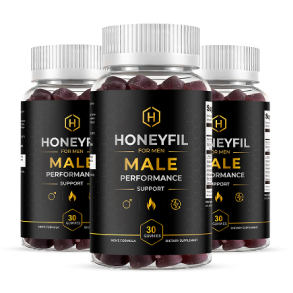
HoneyFil combines eight disclosed ingredients into a single daily gummy, formulated to support energy, healthy circulation, stamina and endurance. One-time purchase, no auto-renewal, 60-Day Satisfaction Promise.
Individual results vary.
Try HoneyFil →Common questions
Why is zinc included in men's supplements?
Zinc is an essential trace mineral involved in hundreds of enzymes and normal physiological functions, and it is present in high concentration in male reproductive tissue, which is why it appears widely in men's formulas.
Which form of zinc is best absorbed?
Chelated forms such as picolinate, citrate and bisglycinate generally show better absorption than zinc oxide, which is cheaper and less readily absorbed.
Can you take too much zinc?
Yes. Zinc has a defined tolerable upper intake level. Sustained high intake can interfere with copper absorption, so total your intake across all products you take.
Do vegetarians need more zinc?
Dietary requirements are generally higher for largely plant-based diets, because phytates in grains, legumes and seeds bind zinc and reduce its absorption.
Before you start
HoneyFil is a dietary supplement intended to complement a healthy lifestyle. It is not a prescription product, and it is not intended to treat erectile dysfunction or any other medical condition.
It is not for anyone under 18, and not intended for women or anyone pregnant or breastfeeding. Speak with a healthcare professional first if you take prescription medication — particularly blood-pressure medication, nitrates, blood thinners or diabetes medication — manage a medical condition, or are preparing for a procedure.
If you have persistent concerns about sexual function, energy or circulation, raise them with a qualified healthcare professional rather than relying on a supplement.
These statements have not been evaluated by the Food and Drug Administration. This product is not intended to diagnose, treat, cure, or prevent any disease.
Back to the Honey-Fill homepage, or take a look at what goes into the formula and our honest verdict on it.